
Category: SaintMartin
-

This is the fourth in a series of essays exploring the book “Natural Table” by Louis Claude de Saint-Martin. I am stepping through the book chapter by chapter, with the hope that I can help explain some of the subtle thought of this profoundly wise man. The previous chapter can be found here, and the…
-

This is the third part of a series discussing, chapter by chapter, the book, “Natural Table” by Louis Claude de Saint-Martin. The first in the series can be found here, and the previous article is here. Communication Communication is absolutely fascinating. Taking a physicalist point of view for a moment (a stance I entirely disagree…
-

This is the second in a series of essays on Louis Claude de Saint-Martin’s book, “Natural Table of the Relationships which exist between God, Man and the Universe”. The series begins here. A world of chaos In this chapter, Saint-Martin takes on the subject of the disorder, evil, and chaos that we observe in the…
-

This is the first entry in a series where I will be going through Louis Claude de Saint-Martin’s book, “Natural Table of the Relationships which exist between God, Man and the Universe”. In this post, I will be discussing the first chapter of this book, “Aleph — Truth is in Man”. Given that, at this…
-
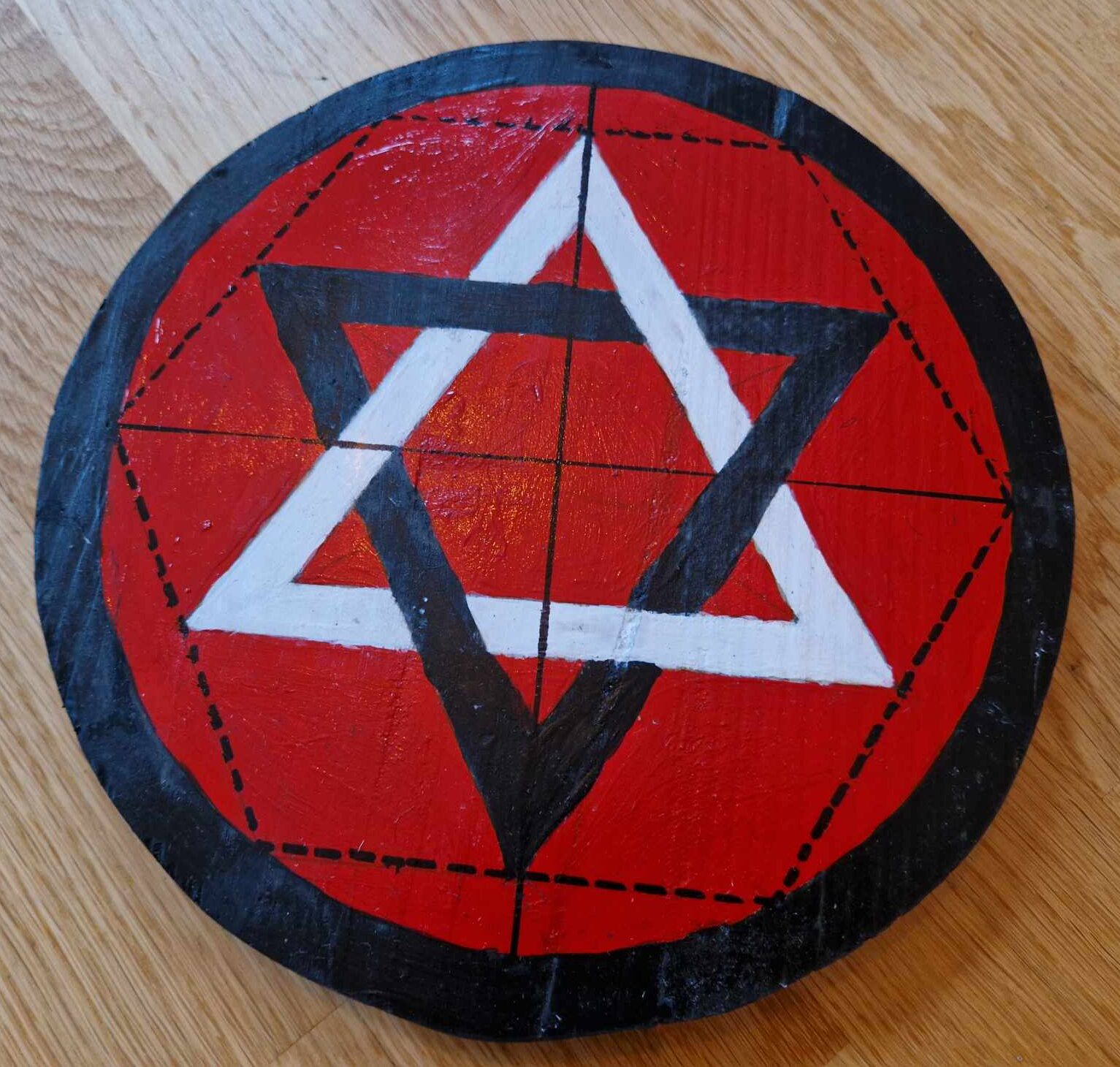
The Martinist Pantacle is the image you see at the top-left of this page, right beside “Between Two Worlds”. It comes in various colours depending on the circumstances, the grade being represented, and the design choice of the particular Order using it, but the basics are the same. Upwards and downwards pointing triangles, enclosed within…
-

“Ten Instructions to Men of Desire”, is a series of lectures by Louis Claude de Saint Martin. On the face of it, they are his interpretation of the cosmology put forward by Martinez de Pasqually in his Treatise. But to think of it as an introductory or explanatory document to Pasqually’s text is to do…