This is the seventh in a series of chapter-by-chapter essays on Louis-Claude de Saint-Martin’s book “Natural Table”. The previous chapter can be found here.
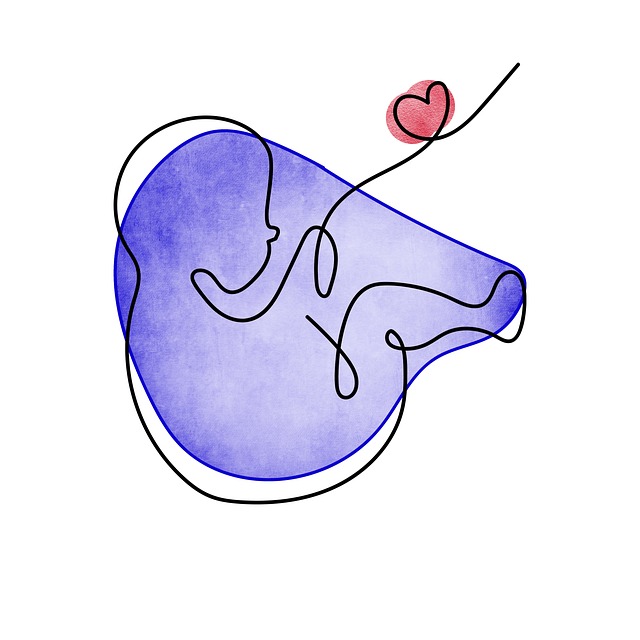
In this chapter, Saint-Martin reflects on the state that we find ourselves in via an extended metaphor based on human reproduction, gestation, and birth. Following this there is a discussion of the seeming injustice relating to the suffering of non-human beings, viewed in light of the fact that it is as a result of humanity’s crime that they suffer. Although his argument, as I understand it, might not be entirely convincing to modern audiences, his claim of the extent of the suffering throughout the entire chain of Being is shocking.
Human reproduction
To understand his metaphor we need to make use of the understanding of human reproduction from the time when he was writing. At that time it was thought that the sperm contained a human being in miniature — a homunculus — that consisted of a perfect human ready for development into a fully-formed person inside the mother. In this theory, the mother has no influence on the formation of the person beyond providing a suitable environment for development and a source of nutrition. A competing theory of the time placed the homunculus in the egg, but this is clearly not the one that Saint-Martin followed.
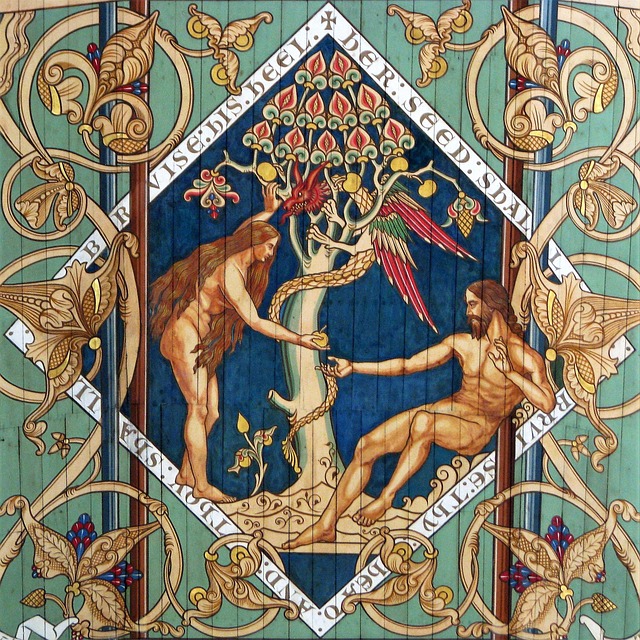
As incorrect as we now know that it is, the theory of the perfectly formed mini human in each sperm has a nice match with Biblical theorising. If the homunculus is indeed perfectly formed, then it will include the sperm of all future generations. Adam’s body, therefore, contained all of humanity, and so it would be natural that his sin was transmitted to all of us.
(It becomes even more interesting if you consider the Biblical ramifications of the theory that it is the egg that contains all future generations…)
Outdated attitude
Sadly Saint-Martin’s thinking follows a path that I can only label as sexist. He clearly held a dim view of the role of the female body in reproduction, even going so far as to refer to the birth canal with the word “sewer”. For him, the womb is a dark place shut-off from the light, rather than a nurturing place of safety and warmth.
This view is unfortunate and one that I do not ascribe to. I will trace his thinking here with the hope that you can separate the prejudices of his time from the message that he is trying to convey.
Plato’s Womb
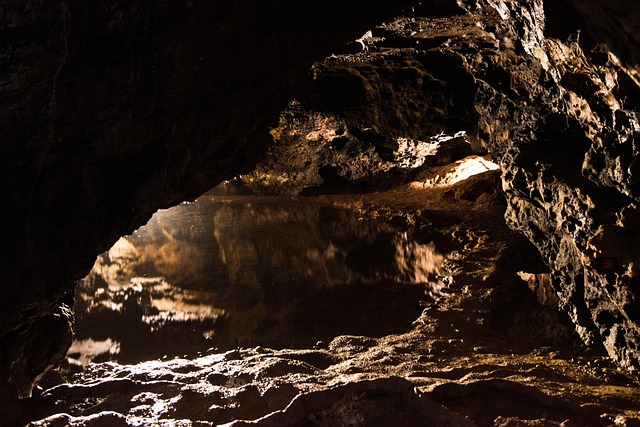
Formed from the father, the new person (the homunculus within the sperm) is cast into the womb – a place (according to Saint-Martin) of darkness. Cut off from fresh air, subject to the effects of forces beyond its control, and unable to make use of any physical abilities. In this state we received our nutrition via a single point, that of the umbilical cord, instead of being able to relate to nature via our entire body.
After birth it becomes apparent that we have inherited various traits from our mothers. Given the theory that the sperm contains the person in miniature, this would seem unusual, but the contemporary idea was that the mother’s body still provided influence on the developing body. Saint-Martin uses this to indicate that our spiritual beings are not left unchanged by our journey through matter. We cannot help but be affected by it.
As with newborn babies, we are unable to comprehend the light that we are faced with after crawling out of Plato’s cave. Our first works as humans involves accustoming ourselves to the Truth we are exposed to. But more than that, the job of the “intellectual man” is to unite him/herself with all of Creation.
Taking charge
Saint-Martin indicates two ways that this is normally attempted – one tragically wrong, and one more appropriate to the task.
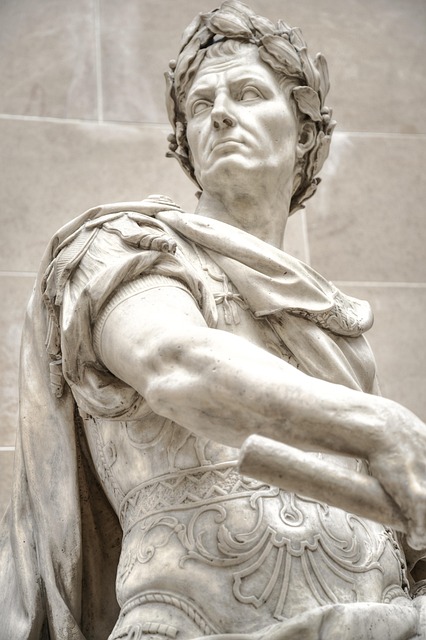
The first is that of the greedy politician who tries to conquer everything that they see. Waging wars of conquest to extend the reach of their power as far as possible. He points out that similar behaviour is also seen in the uncontrolled actions of children, and should be seen as a vice in adults.
On the other hand are the scientists who seek to stretch their understanding out over all of nature. Travelling extensively to study, and even collect, as much of nature as they can. Even going underground to understand what is dark, hidden, and potentially evil.
Our work here below, according to Saint-Martin, is to comprehend (in the fullest meaning of that word) the entirety of the Truth. Of course we are limited by the fact that we are forbidden access to the Divine Temple, but it is our job to strive to do so. And if that striving results in suffering, so be it.
Cycles
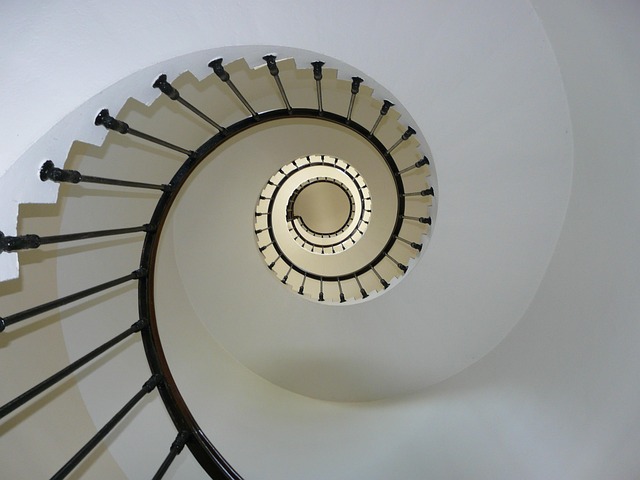
Here Saint-Martin extends his “womb metaphor” to encompass his ideas on reincarnation. Each lifetime is the womb of the next. Our way of being in one life will leave its imprint on the person born into the next life. Any uncompleted work will remain to be done in the following life, compounded on top of the work already intended.
This extension is very interesting in that it places us simultaneously at two places within the metaphor. We are the child born into the world, working within the Light and grasping at Truth. But we are also the foetus in the womb, whose behaviour and actions will form the basis for the life of the child-to-be. In fact, combined with the discussion of a previous chapter, it’s safe to say that Saint-Martin sees humanity occupying, at various points in his grand cosmological tale, all three points of this metaphor.
- Being emanated from the Father.
- Child developing in the womb.
- Fully-formed human at work in the world.
Theodicy
At this point, Saint-Martin turns to the consequences of the Fall for the non-human beings of the material world. All of them can be seen to be suffering, even though they had no part in our crime.
I have to admit that I find this part a little weak. Much of the argument is based on the idea that material bodies, which includes everything from rocks, through the plant kingdom, and animals, are here to serve a Divine purpose. They are entirely material, while it is only us humans that have a Divine/Intellectual part. Their suffering is part of the lesson that we are being taught, and so it is no long unjust.
Although I personally do not agree with this, this essay is intended to outline Saint-Martin’s thinking and not my own, and so you will have to wait for a future post to read what I think.
But there is one idea that I love, and that I think is important enough to be quoted directly,
If imprudent men, observing the suffering of sentient Beings, have dared to condemn the ways of God and accuse Him of injustice, it is because they’ve never paid attention to the fact that since man is meant to represent Divinity in his actions, he also represents Him in the means by which these actions occur.
“Natural Table”, Louis-Claude de Saint-Martin
That is, as God’s representatives in Materiality, pointing the finger of blame at God is to point that same finger at ourselves.
Misery compounded
In addition to the misery caused by simple facts of material nature, there is also the suffering caused by ourselves. Whether by eating flesh, or by an apparent need to sacrifice for religion, we cause additional pain on top of that that arises naturally. In this, and in the above quote, I sense a vacillation in Saint-Martin. As if he does not quite buy his own arguments. But I won’t expand any further on this in case I am reading too much of my own beliefs into his.
Lastly, Saint-Martin points out the suffering that we cause by our failure to even believe in the existence of those Divine Beings who are responsible for our lives. Even to the One Source of All.
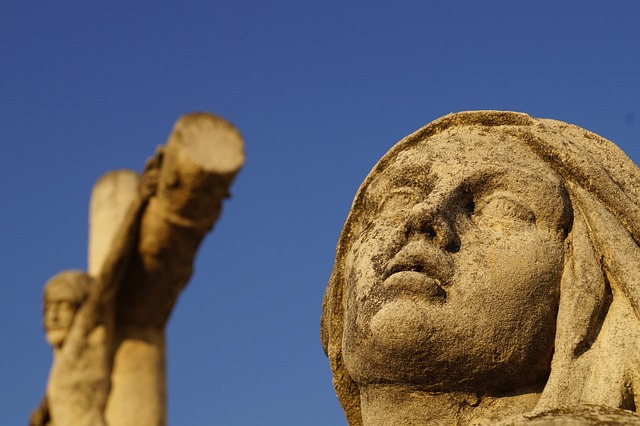
Instead of being able to devote their beings to worship of Divine Truth, our crimes require them to gaze upon the ugliness and pain of materiality.
What crime, therefore, can equal man’s, if there is nothing in material and immaterial Nature which isn’t influenced by it, and if the entire chain of its Beings is torn apart by it?
“Natural Table”, Louis-Claude de Saint-Martin
Indeed.
But isn’t the contrary also true?
By working towards true redemption – reintegration of all into the Divine – we have the power to bring salvation to a chain of Beings that reaches its heights in the One Source of All.
Before the flambeaux.
Leave a Reply